Consultation and scan
The orthodontist assesses your bite, oral health and goals, then records the teeth when aligners are suitable.
Align · Invisalign
Digital orthodontic planning for suitable adult and teen smiles, with a sequence designed around everyday life.
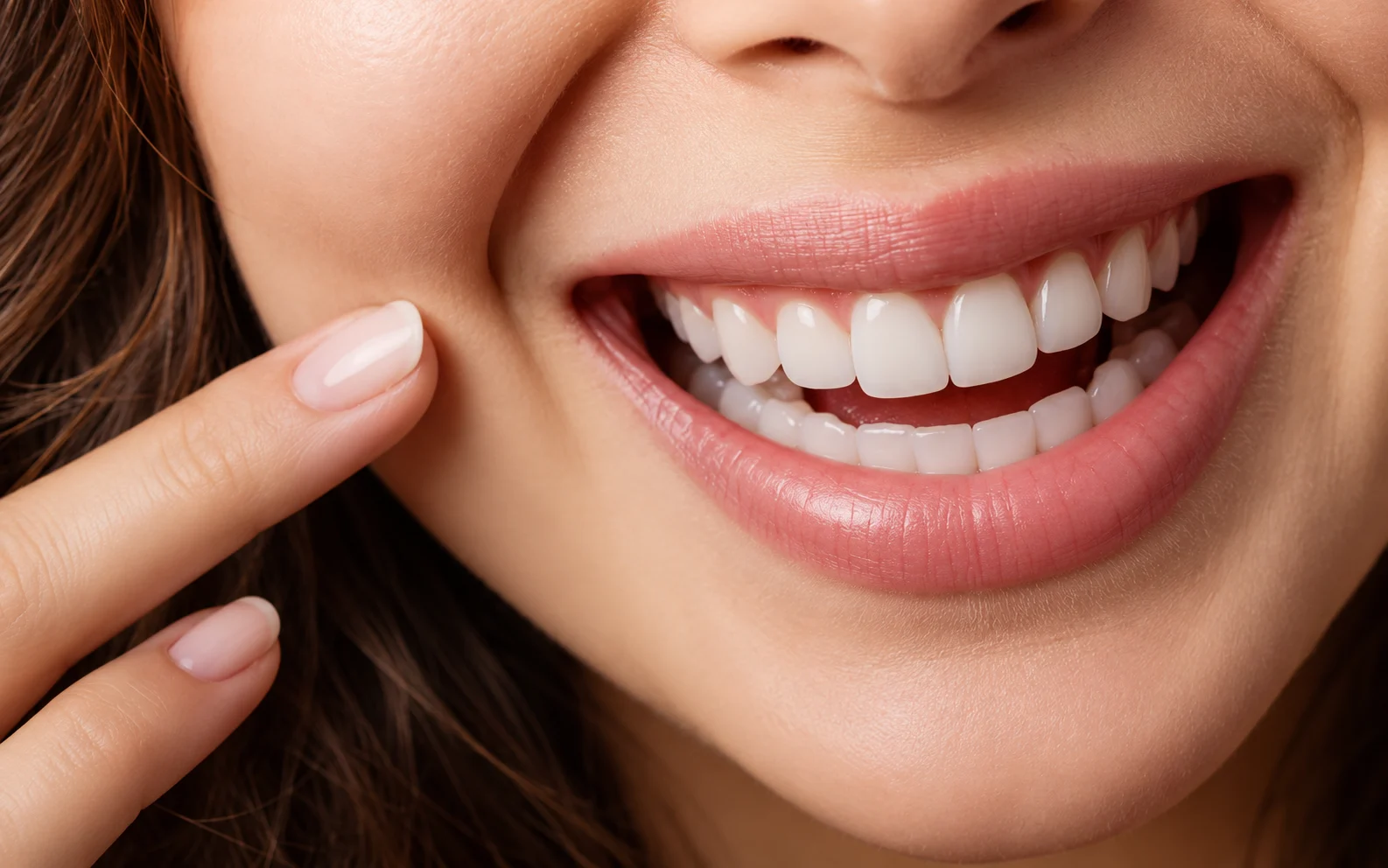
Invisalign moves teeth using a planned sequence of removable clear aligners.
Each aligner is worn according to your orthodontist’s schedule and applies controlled pressure to selected teeth. Digital records are used to plan movement, but in-person reviews remain important for monitoring fit, oral health and progress.
Invisalign can address many alignment and bite concerns, but suitability depends on the movement required and your ability to wear the aligners consistently.
Digital planning provides a map; reviews help make sure treatment continues to track as intended.
The orthodontist assesses your bite, oral health and goals, then records the teeth when aligners are suitable.
You discuss the proposed movements, estimated sequence, limitations and any additional treatment needed.
You change aligners on the prescribed schedule and attend reviews so fit, movement and oral health can be checked.
Retainers are planned after active treatment to help maintain the final tooth positions.
Patient stories
Patients value seeing the digital plan, fitting aligners into daily life and tracking progress at focused reviews.
“The digital preview made the goal and every stage of treatment easy to understand.”
“The aligners fitted into work and social life more easily than I expected.”
“Review appointments were focused, efficient and reassuring.”
Aligners are commonly prescribed for around 20 to 22 hours a day and removed for eating, drinking anything other than water and cleaning. Follow your orthodontist’s schedule.
Length depends on the movements required, wear consistency and biological response. A digital plan provides an estimated sequence after assessment.
Aligners are generally removed for meals and most drinks. Clean your teeth as advised before reinserting them to protect oral health and aligner clarity.
Yes, retention is normally required after orthodontic treatment. Your clinician recommends the retainer type and wear schedule for your result.